один founding-дизайнер, три связанных продукта
izzybooking, leisure-маркетплейс day-pass'ов (модель airbnb). дизайн-систему, бренд и позиционирование собрал с нуля. founding designer, фев–июн 2025.
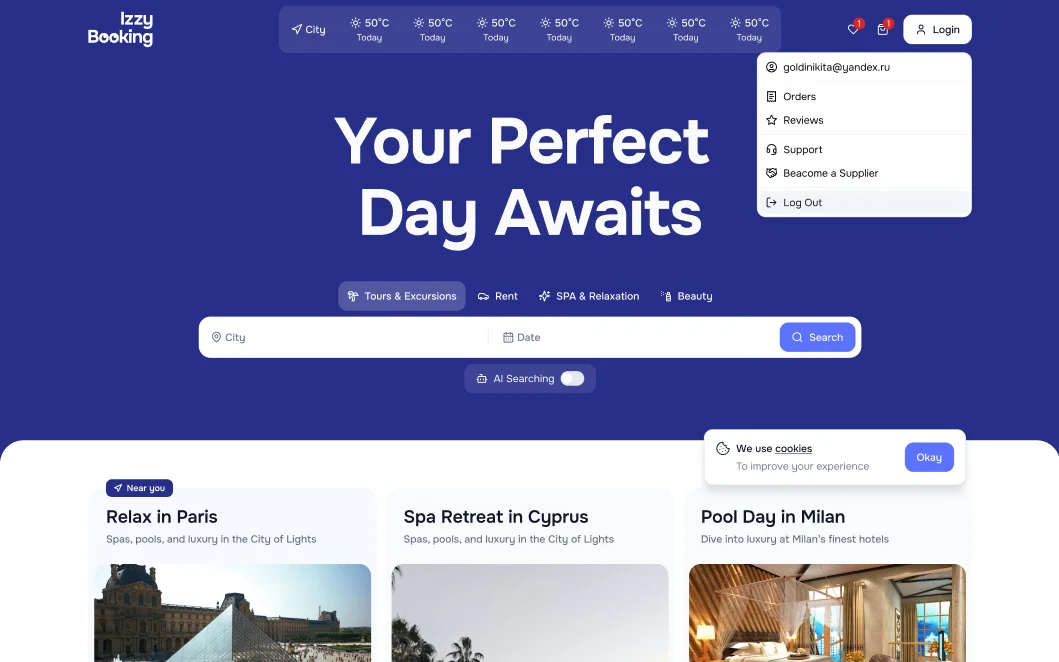
о продукте
izzybooking, агрегатор-маркетплейс, где путешественники бронируют day-pass'ы в отели, спа, бассейны, аренду авто и другие leisure-сервисы. модель airbnb: бизнесы размещают услуги, а платформа даёт им трафик и брони. три связанных продукта: b2c-маркетплейс, b2b-кабинет партнёра, админка.
роль
founding designer
период
фев 2025 – июн 2025
команда
4 человека (fe, be, qa, ml)
контекст
пришёл на старте, когда стейкхолдеры поставили агрессивный дедлайн на mvp, а три продукта наслаивались друг на друга: скоуп расширялся, дедлайны нет. единственный дизайнер на всё это был я.
проблемы
масштаб без команды
покрыть три продукта за сжатые сроки без системы было невозможно, поэтому я кастомизировал shadcn под бренд и собрал переиспользуемые компоненты, которые закрыли все три продукта.
позиционирование с нуля
ниша забита (resortpass, getyourguide), и разбор конкурентов вскрыл боли, на которые юзеры жалуются постоянно: непрозрачные цены и сборы в конце checkout'а, двойные списания, размытые границы доступа, фото не как в реальности, слабый саппорт, app беднее веба. эти дыры стали продуктовым клином izzy: цена «всё включено» сразу, саппорт с sla, контроль качества партнёров, фиче-паритет web и app. плюс сегменты из jtbd вместо безликого маркетплейса «для всех».
стратегический голос
на созвонах с фаундерами топил за сокращение скоупа: «не стройте большой маркетплейс вслепую. поговорите с юзерами, займите конкретный рынок, делайте то, на что есть спрос».
процесс
- анализ конкурентов: бенчмарк resortpass и getyourguide: 9 разделов, 54 источника, суммарно 27.5 млн визитов в месяц у конкурентов (bounce 52%, сессия ~8 минут). боли конкурентов вытащил прямо в продуктовый бэклог.
- jtbd-анализ: 10 канонических jobs в формате «когда [ситуация], хочу [результат], но [препятствие]», плюс матрица, связывающая сегмент, потребность, функцию и job, с функциональным и эмоциональным слоем. на выходе система, где потребность ведёт к конкретной фиче и кормит бэклог.
- сегменты: местные (daycation), путешественники, семьи, командировочные, удалёнщики, пары.
- бренд: с нуля цвета, лого, визуальная система.
- дизайн-система: кастомизированный shadcn, ~240 компонентов и токенов, которые гибко тянутся на 3 продукта.
- user flows: архитектура и основные флоу для b2c, b2b-кабинета и админки.
три продукта, одна система
b2c-маркетплейс: поиск и бронирование
каталог, страница услуги с фото, картой, календарём и отзывами, бронирование, подтверждение.
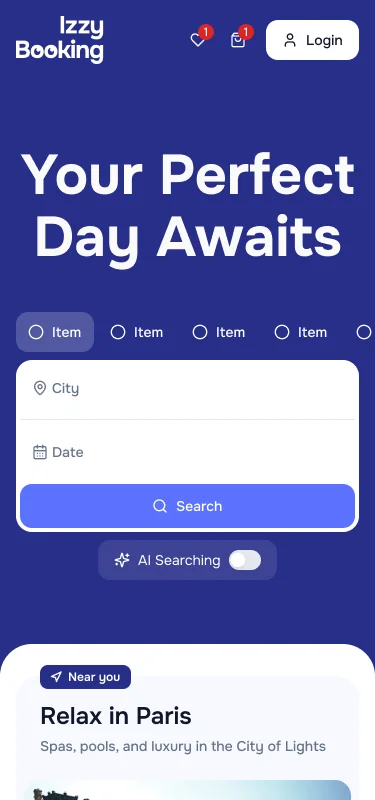
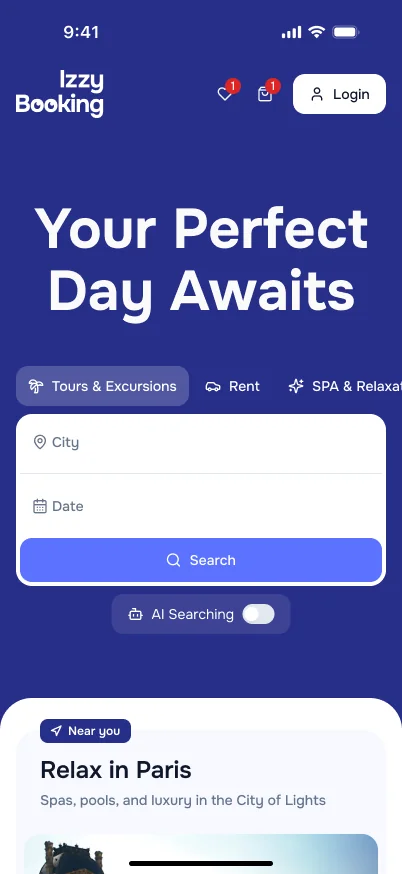
мобильная точка входа: выбираешь город, дату и каким будет день.
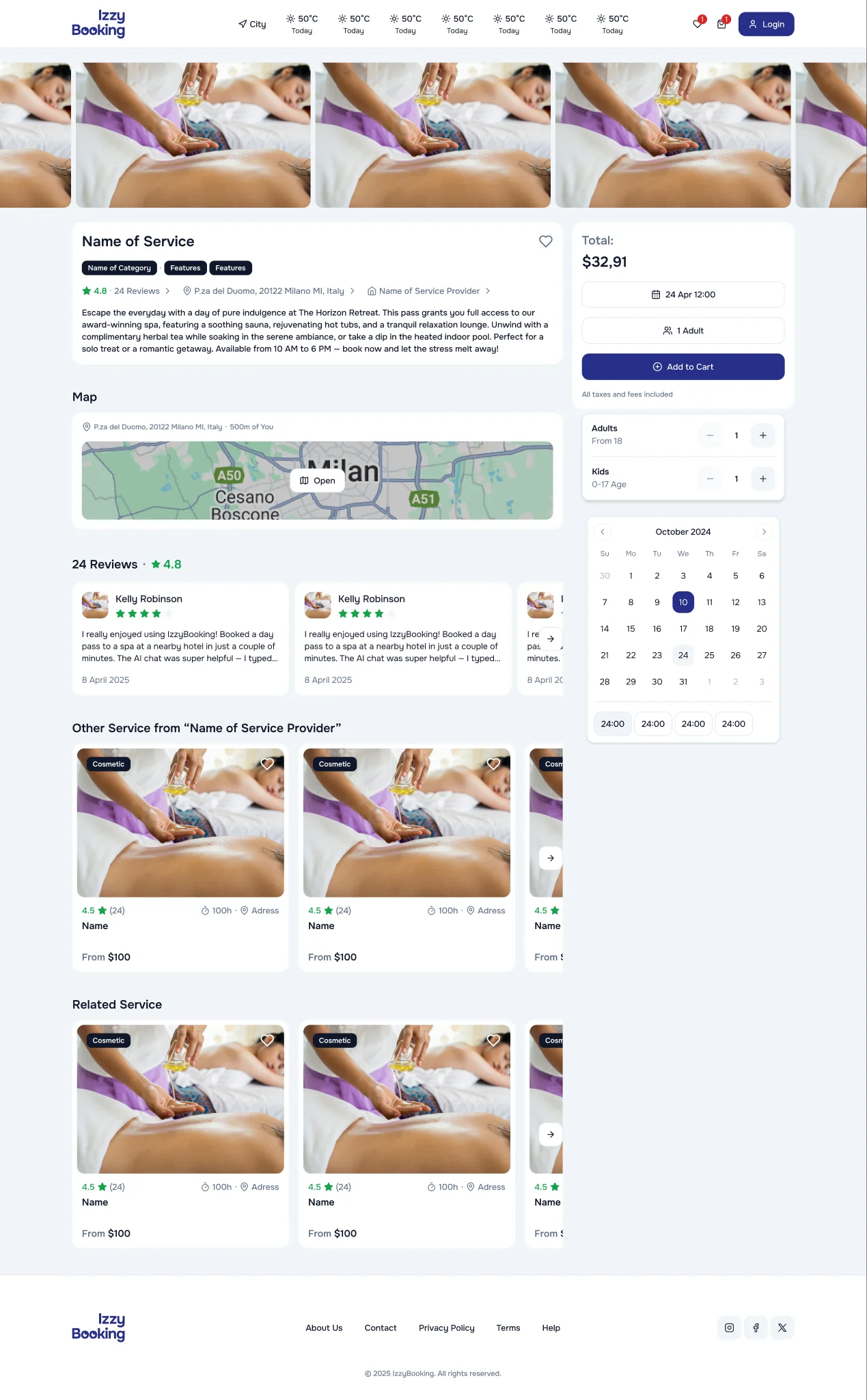
страница услуги: фото, удобства, живая доступность и полная цена сразу. та самая дыра, на которую натыкаются юзеры в resortpass.
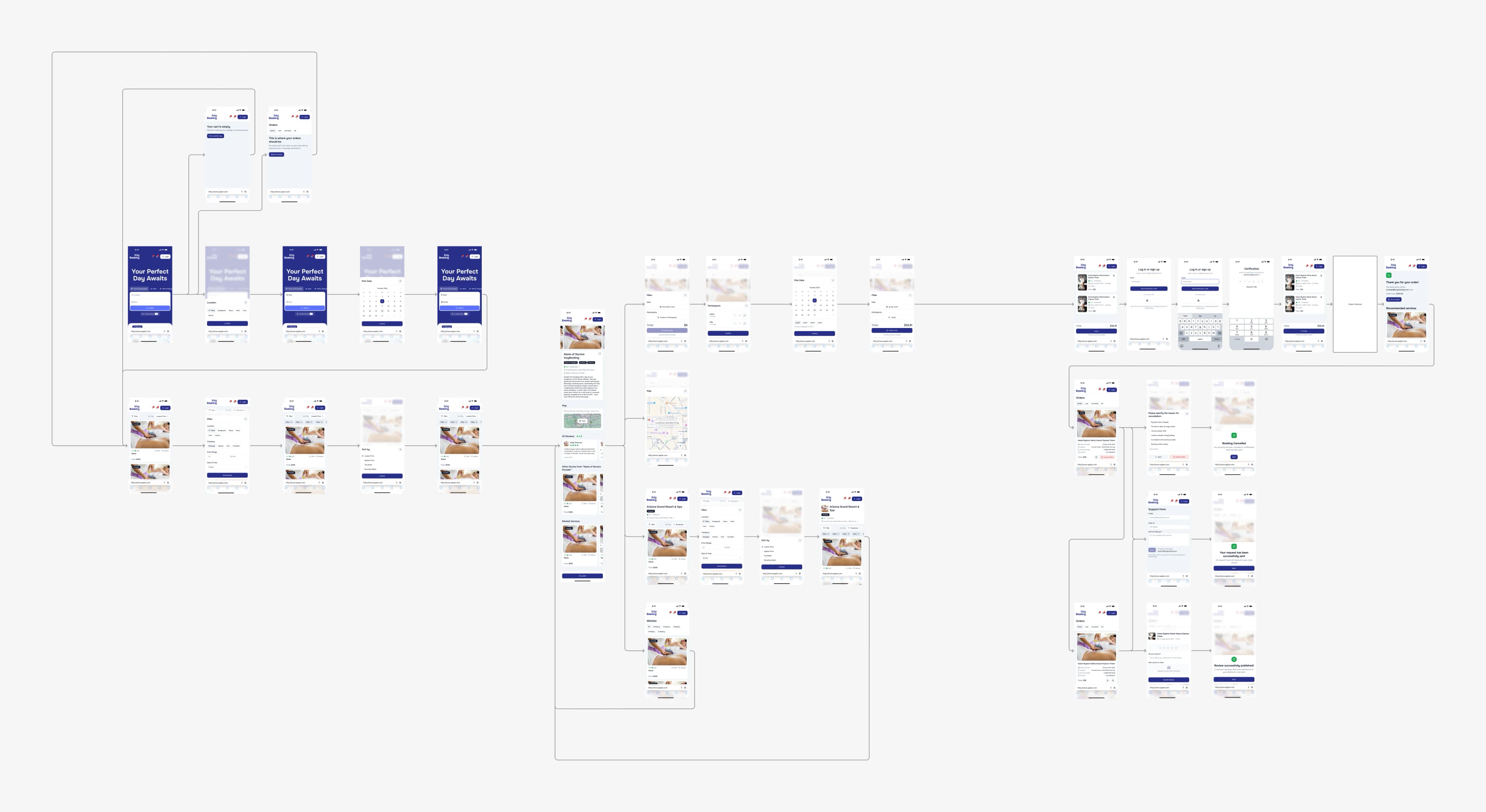
полный b2c-флоу на мобиле: авторизация, ai-поиск, фильтры и карта, страница услуги, бронирование и отмена.
b2b dashboard: управление услугами
обзор аналитики, листинги услуг со статусами жизненного цикла, брони и живая лента уведомлений.
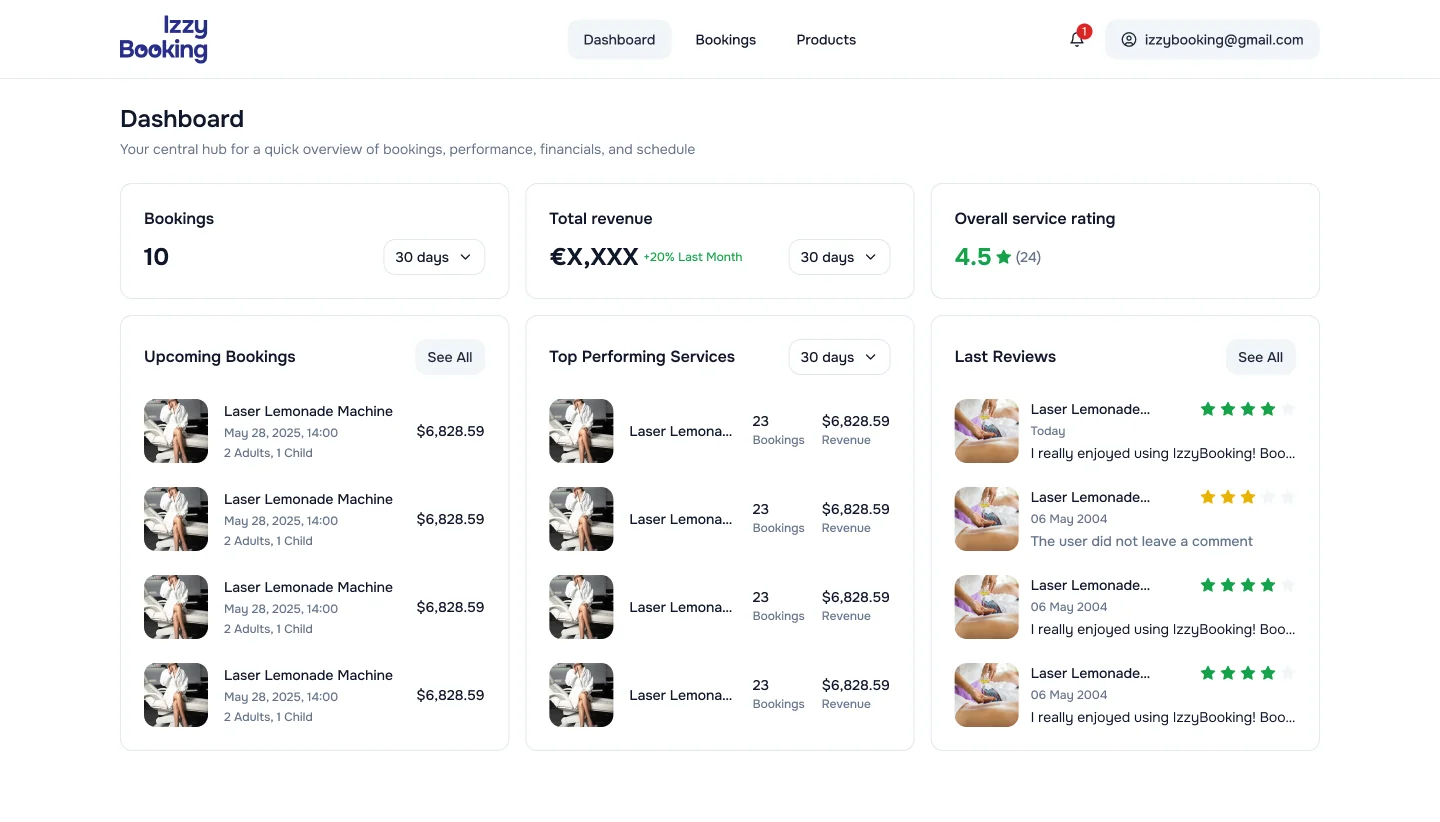
кабинет партнёра: брони, рейтинг услуг, топовые позиции и свежие отзывы на одном экране.
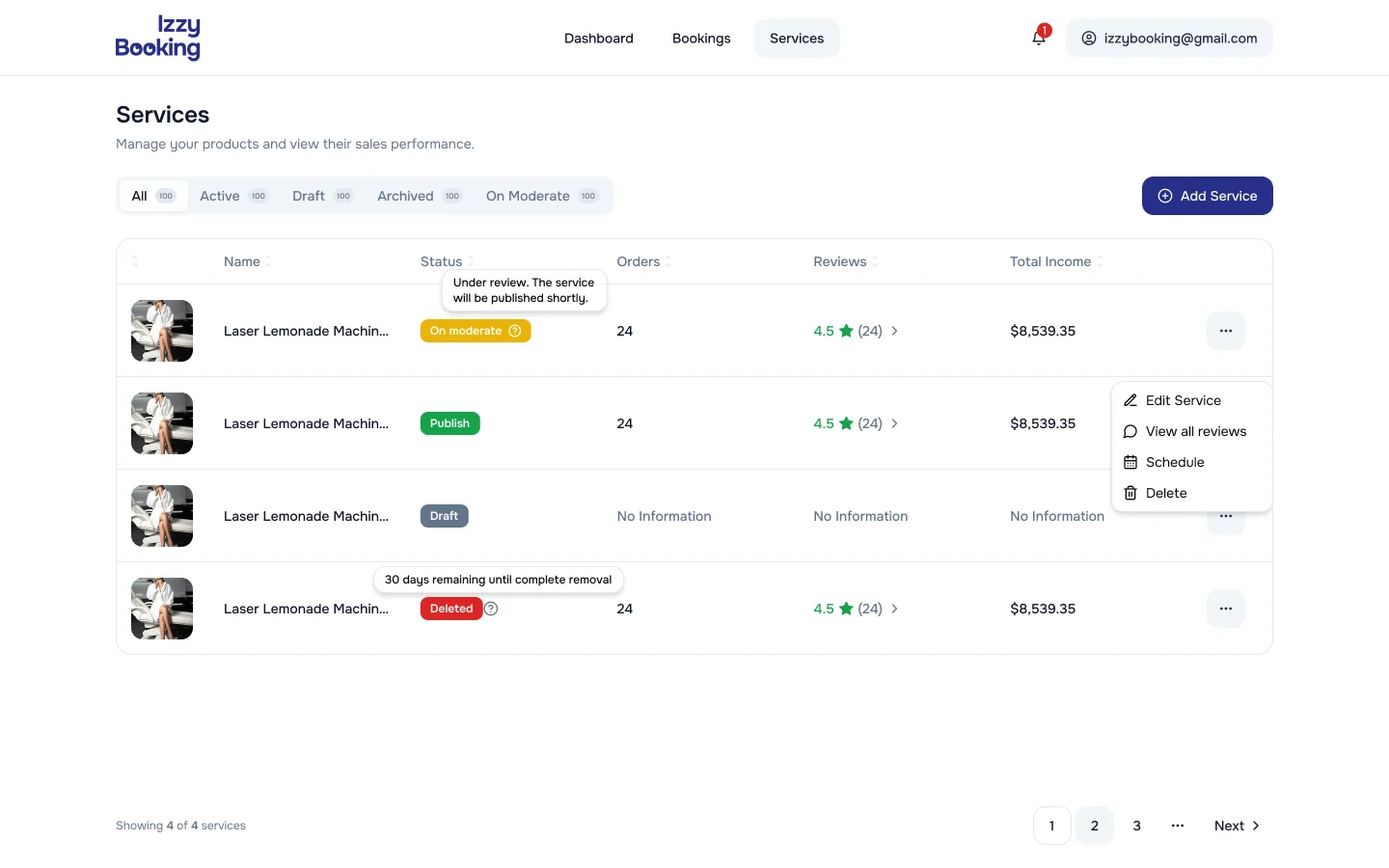
каждый листинг со своим статусом (на проверке, опубликован, черновик, удалён) плюс заказы, отзывы и доход по услуге.
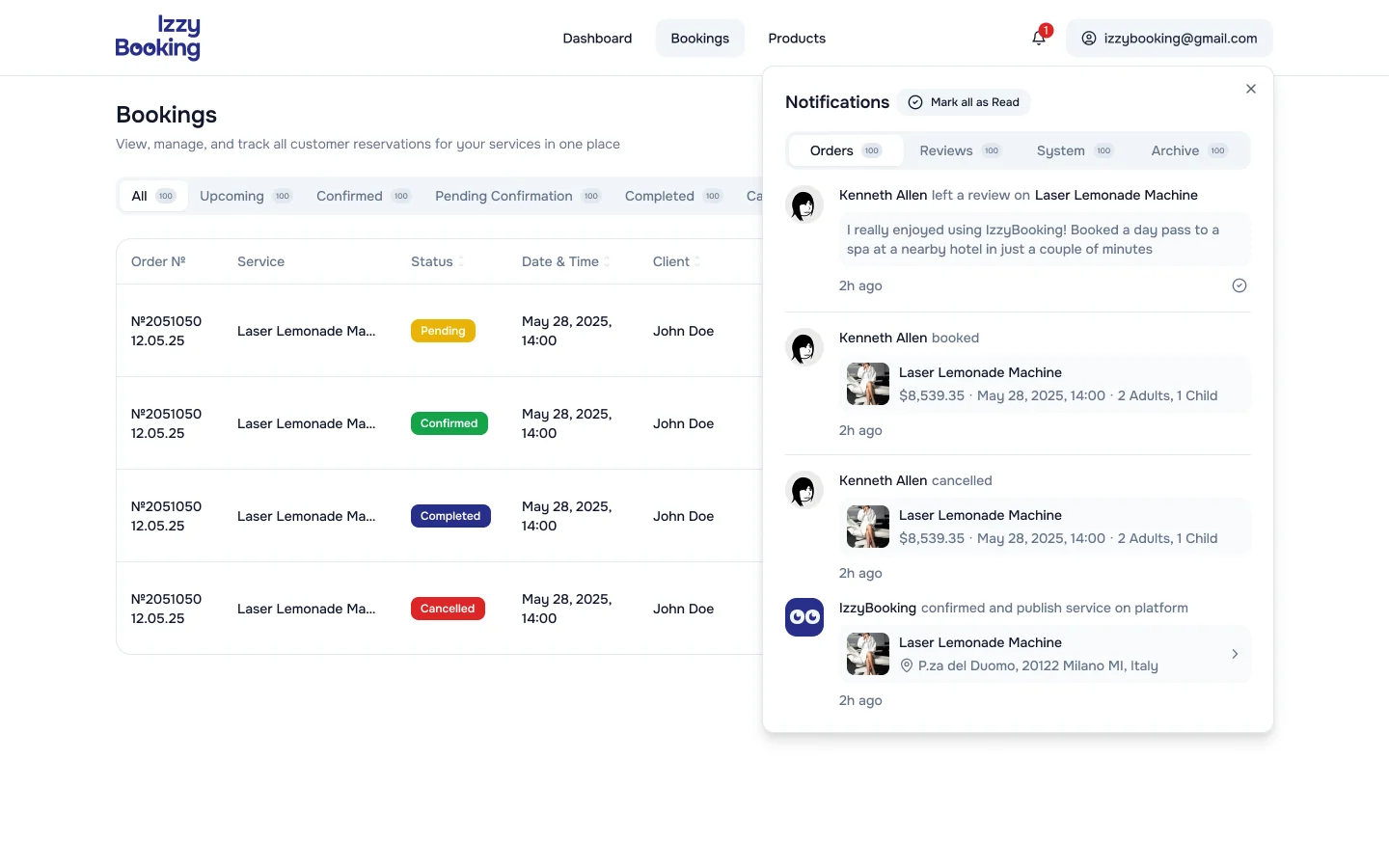
брони по статусам и живая лента: новые заказы, отзывы и действия платформы.
стать партнёром: регистрация и onboarding
полный путь партнёра: регистрация, данные бизнеса, настройка оплаты, создание листинга и живой dashboard.
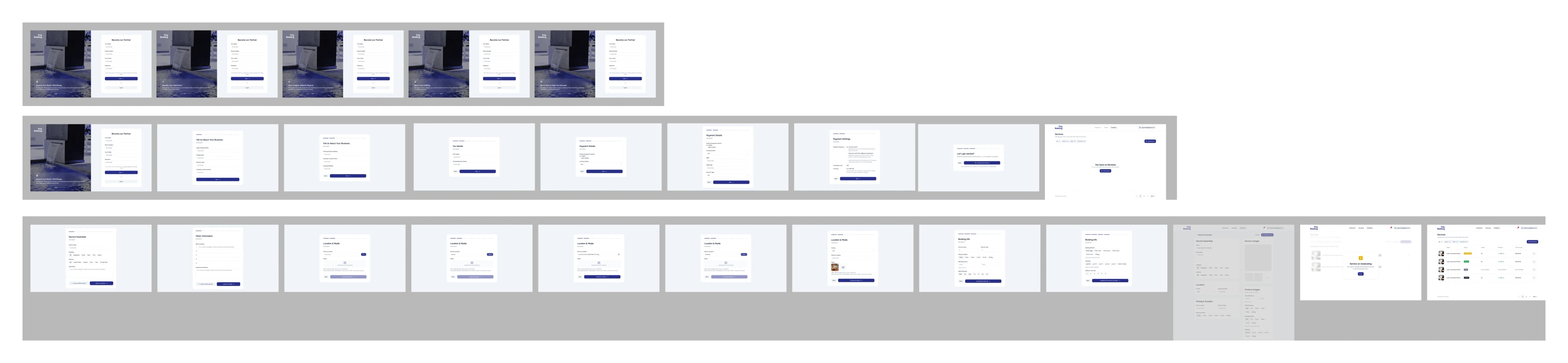
onboarding целиком: «стать партнёром», данные бизнеса, оплата, опубликованная услуга и dashboard.
админка: модерация
dashboard с kpi, очередь проверки контента, карточка модерации услуги, работа со спорами.
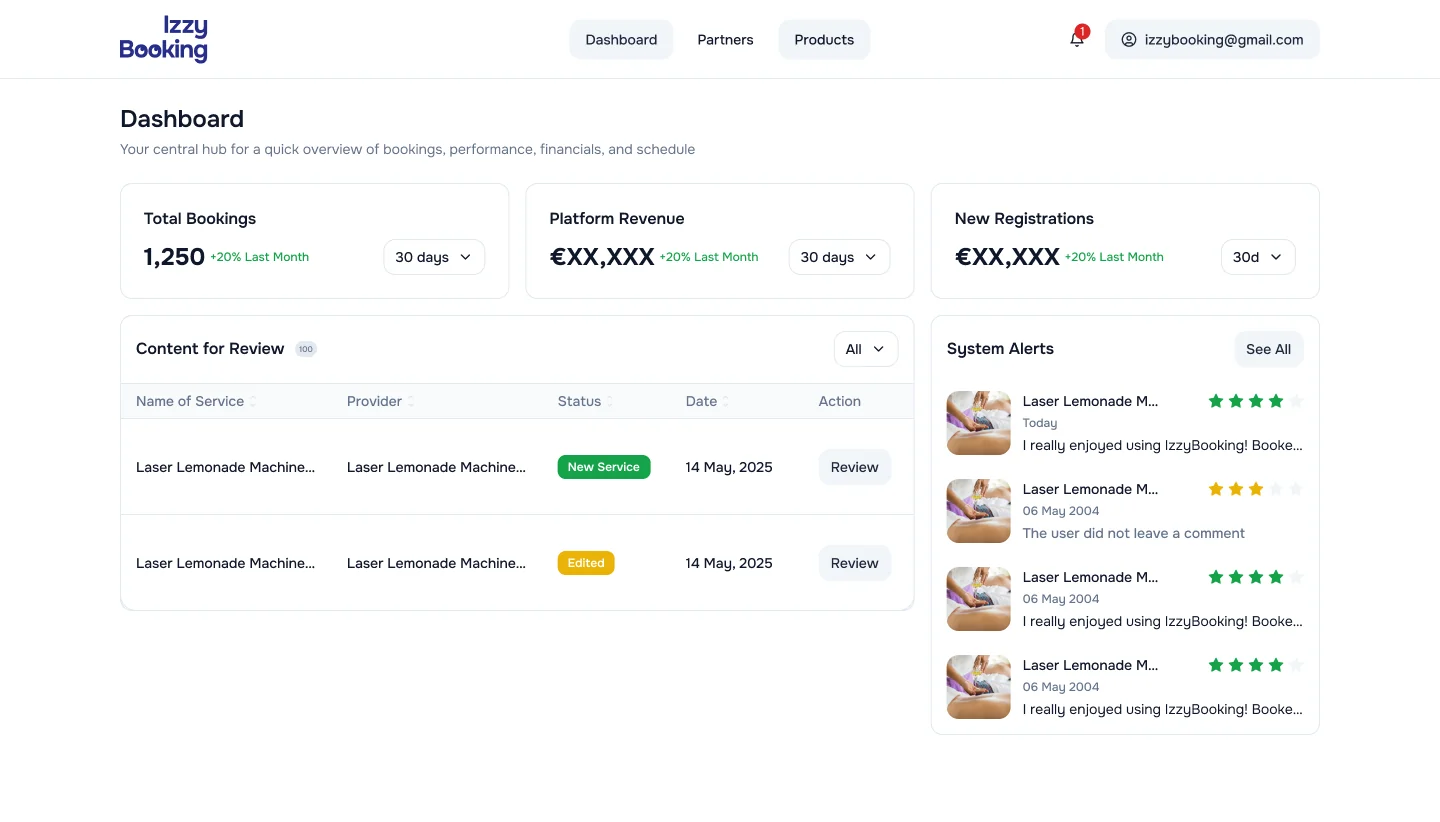
здоровье платформы на одном экране: брони, выручка, споры.
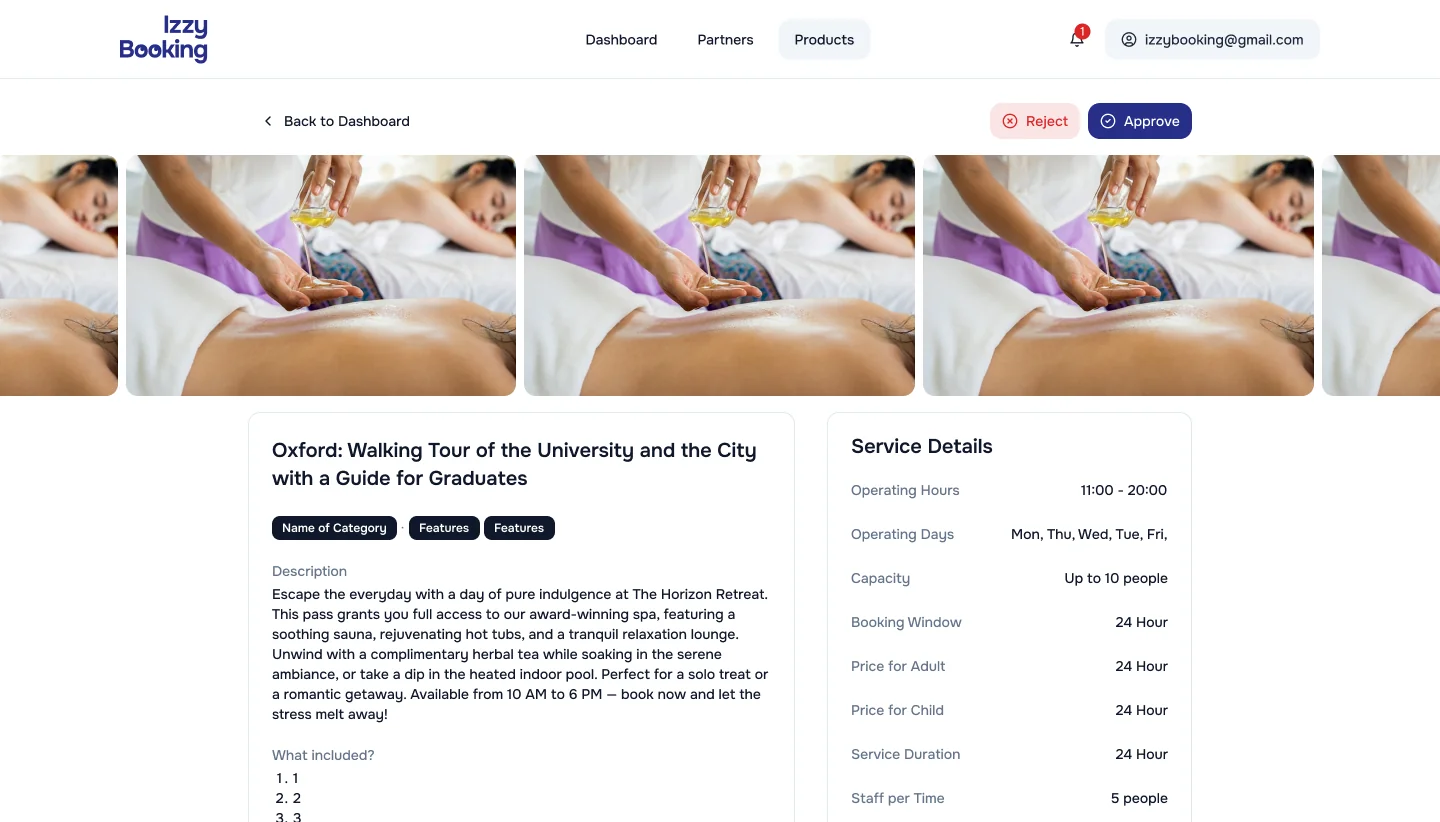
очередь модерации: каждый листинг проверяется до публикации.
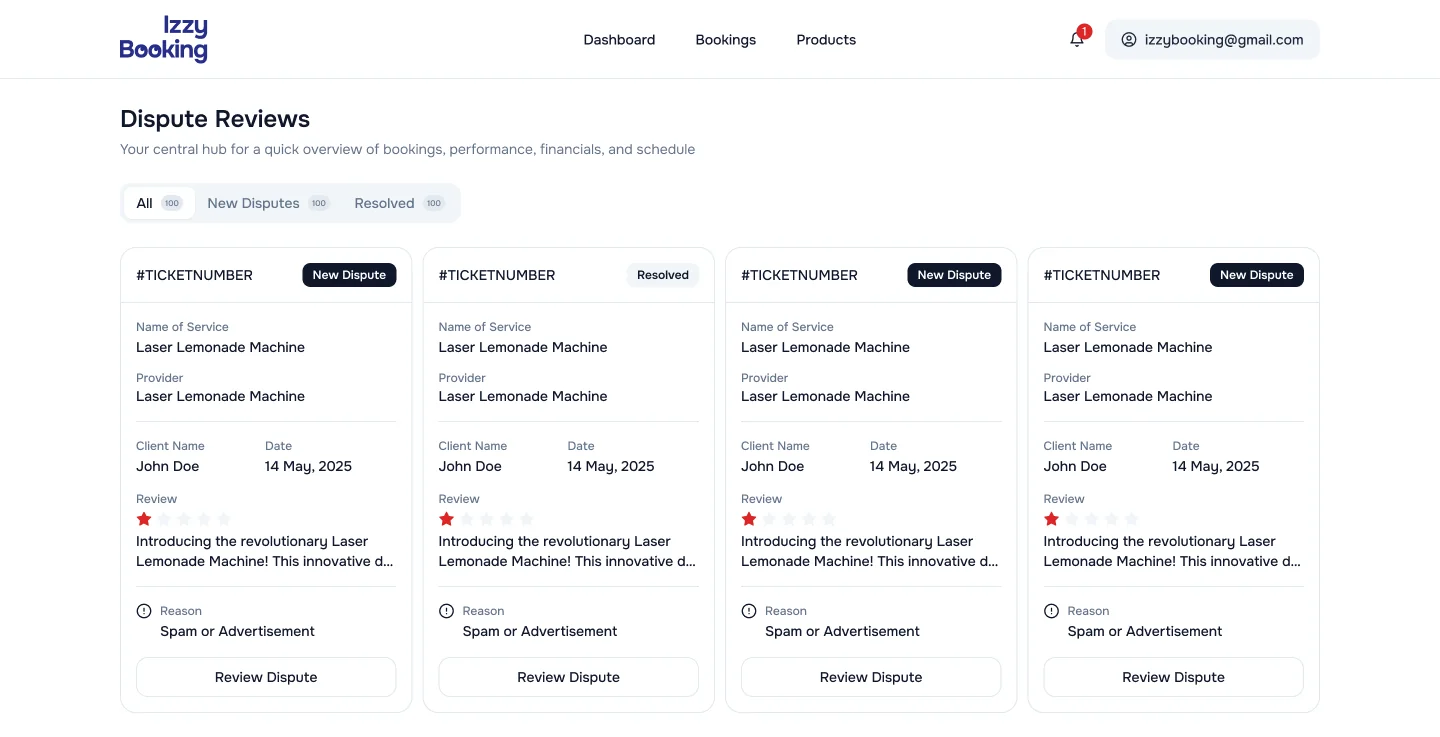
разрешение споров: без этого слоя доверия маркетплейс не работает.
результаты
один дизайнер закрыл 3 продукта: держала единая дизайн-система. без неё хватило бы сил только на один.
конкурентный + jtbd-анализ: дали позиционирование и сегменты пользователей с матрицей «потребность-фича».
скоуп вырос 3× по ходу контракта: b2b-кабинет и админка добавились сверху. все три продукта ушли в dev в срок, на одной дизайн-системе.
за кадром
что хотел показать: системное мышление. позиционирование, бренд и дизайн-система, на которой один дизайнер держит три связанных продукта разом.
что понял: главное узкое место в начале продукта это понять, для кого ты и против кого. jtbd и конкурентный анализ решили, что проектировать, ещё до первого макета, и это сэкономило недели редизайна.
что сделал бы иначе: начинал бы с discovery: интервью и настоящая карта jobs-to-be-done до первого экрана, детальные флоу, коридорные тесты на прототипах. и продавливал бы позиционирование с фаундерами раньше и жёстче, потому что аргументы были, но переговорного веса сдвинуть top-down решения не хватало, так что вопросы закрывались моим анализом и согласованием, а до пользователей руки не доходили.
чем закончилось: публичных метрик нет: компания свернула продукт, когда закрылось финансирование, а это решение принималось уровнем выше дизайна.